The fun layer, the one everyone wants to start with, and the reason it comes last
The fun layer, the one everyone wants to start with, and the reason it comes last
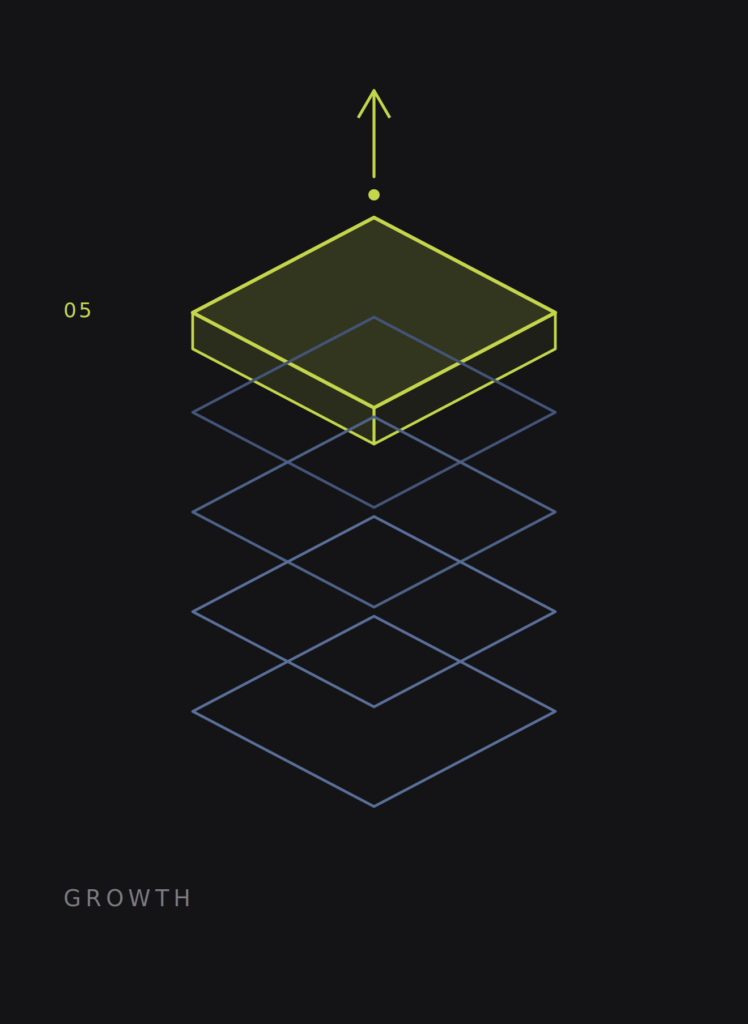
This is the layer everyone wants to talk about. Growth. More demand, more reps, more spend, more markets, more tools, more pipeline, more revenue. It is the exciting layer, the one with the energy and the budget and the board’s attention. It is also the layer vendors are selling, which is why almost every tool that lands in your inbox promises to help you here, at the top, where the money and the enthusiasm are.
And it comes last. Not because it doesn’t matter — it is, after all, the point of the whole exercise — but because growth is the one layer that punishes you brutally for skipping the ones beneath it. Adding fuel to a sound engine is how you scale. Adding fuel to a broken engine is how you break it faster, louder, and more expensively than before.
This is Layer 5 of the Revenue Teardown, and understanding why it comes last is the single most valuable thing I can teach you about revenue operations.
Why fuel makes a broken engine worse
There is a seductive logic to starting at growth. Revenue is down, so add revenue-generating activity. Pipeline is thin, so generate more pipeline. It feels direct, obvious, actionable. And it is almost always wrong, because it treats a symptom at the top while ignoring the cause below.
Think about what “adding growth” actually does. You pour more leads into a funnel. But if your data is dirty, those leads land in the same mess and get lost. If your definitions aren’t shared, the new volume just amplifies the marketing-versus-sales fight at higher scale. If your flow is slow, you now have more good signals dying in the same gaps. If your measurement is broken, you can’t even tell whether the new spend worked. You have added fuel, and the engine was leaking, so all you have done is spill more fuel on the ground and light it.
I have watched companies respond to a revenue problem by tripling their SDR team, and get almost nothing for it, because the problem was never SDR capacity. The problem was three layers down, and thirty new reps just meant thirty people experiencing the same broken flow, generating the same lost leads, measured by the same lying dashboard. The growth investment didn’t fail because growth is bad. It failed because it was poured into a system that couldn’t hold it.
Why every vendor lives at Layer 5
Here is something worth noticing about your own inbox. Almost every tool being sold to you promises growth. Intent data to find more accounts. Sequencing tools to send more outreach. AI to book more meetings. Advertising platforms to generate more demand. They cluster at Layer 5 because Layer 5 is where the budget and the excitement are, and because “we’ll help you grow” is a much easier sale than “we’ll help you fix your data.”
This is not a knock on the vendors. Many of these tools are genuinely excellent — at Layer 5, in an engine that’s ready for them. 6sense is a superb intent platform when your data, definitions, flow, and measurement are sound. It is expensive shelfware when they’re not. The tool didn’t change. The readiness of the engine did.
The most expensive mistake in revenue operations, the one I see over and over, is buying a Layer 5 solution to fix a Layer 1, 2, or 3 problem. The growth won’t stall because you lacked a growth tool. It stalled because the foundation couldn’t support growth, and no amount of top-layer spend fixes a bottom-layer break. You cannot buy your way past the teardown. You can only work through it in order.
What growth looks like on a sound engine
Let me spend a moment on the good news, because I do not want this to read as “never invest in growth.” When the engine is sound — clean data, shared definitions, fast flow, honest measurement — Layer 5 is where all that discipline pays off, and it pays off enormously.
On a sound engine, more demand actually converts, because the leads land in a clean system, get worked against a shared definition, flow quickly to the right person with context intact, and get measured truthfully so you can double down on what works. Intent data earns its price because you can act on the signals fast enough to matter. New reps ramp faster because the system supports them instead of fighting them. Every dollar of growth spend compounds, because it is landing on a foundation built to hold it.
This is the difference between the companies that scale smoothly and the ones that scale into chaos. It is not that the smooth scalers had better growth tactics. It is that they earned the right to grow by getting the lower layers right first. Growth on a sound engine feels almost easy. Growth on a broken one feels like pushing a boulder uphill while it crumbles in your hands.
The one question to ask before any growth investment
When someone proposes a growth investment — a new tool, more headcount, a bigger budget, a new channel — I ask one question before anything else: is the engine ready to hold this?
Concretely, that means walking back down the teardown. Is the data clean enough that new volume won’t get lost? Are the definitions shared enough that more leads won’t just amplify the old fight? Is the flow fast enough that new signals will be acted on while they’re warm? Is the measurement honest enough that we’ll be able to tell if this worked? If the answer to any of those is no, the growth investment is premature, and the right move is to fix the broken layer first and revisit growth after.
This is a discipline, and it is a hard one, because growth is the exciting layer and “let’s fix our data first” is the least exciting sentence in business. But every time I have honored this discipline, the eventual growth investment worked. And nearly every time I have watched someone skip it, the growth investment disappointed.
Grow last, grow well
The Revenue Teardown ends at growth because growth is the reward for doing everything underneath it right. Diagnose from the bottom up, fix the lowest broken layer first, and by the time you reach Layer 5, you have an engine that can actually take the fuel you’re about to add.
Start at Layer 5 — as almost everyone is tempted to — and you learn the expensive way that you cannot grow your way out of a foundation problem. The pain shows up at the top, in the growth numbers, which is exactly why everyone tries to fix it there. But the cause is almost always further down. Find it, fix it in order, and then grow. That is the whole method, and the growth at the end is so much better for having earned it.